What Are Your Dental Bridge Options?
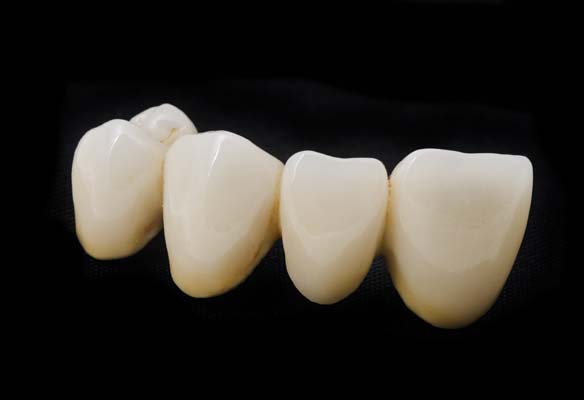
Considering a dental bridge to replace your missing teeth? If you have one or more missing teeth, then you have several options available to you to replace the missing teeth and regain confidence in your smile. A dental bridge (of which there are several types) is a great way to restore your smile, and there are also other teeth replacement solutions to consider as well.
Dental bridges and other options for tooth replacement
Understanding all options that are available to you can help you decide which option may be best to replace your missing teeth and offer motivation to follow through and restore your smile. The following is a review of the different types of dental bridges and alternative solutions to consider.
What is the dental bridge treatment like?
A dental bridge is a method of tooth replacement that involves replacement teeth that attach to abutments on each side. They involve a minimally invasive procedure that provides long-lasting results. A dental bridge is a fixed restoration, meaning it cannot be removed by the patient. This makes caring for the dental bridge much easier for many patients. A traditional dental bridge is attached to dental crowns that are placed over natural teeth on each side of the bridge.
The different types of dental bridges
Choosing the right type of dental bridge is important. There are four main types of dental bridges, which are:
- Fixed bridge
- Cantilever
- Maryland bonded
- Implant-supported
Each type of dental bridge offers unique advantages. Primarily, the differences are with how the bridge is supported. A fixed bridge is supported by adjacent natural teeth. A cantilever bridge is supported by a single tooth. A Maryland bonded bridge is primarily used for front teeth and implant-supported bridges are ideal when there are not any adjacent teeth that are healthy enough to support the bridge.
Alternative solutions to a dental bridge
A dental bridge may be preferable for patients that need to fill a gap left by a missing tooth or a section of missing teeth. For natural gaps not caused by tooth loss, the patient may prefer veneers, bonding, or orthodontic treatment. For more extensive tooth replacement needs, a complete denture or full arch replacement may be necessary.
How to choose the best option for you
The best way to decide which treatment option is right for you is to discuss all of your options with an experienced dentist. They can conduct an oral examination and make a treatment recommendation based on your preference, budget, and specific tooth replacement needs. Each dental bridge option can be effective in different situations.
Get started with a dental bridge consultation
You can get the tooth replacement process started with a consultation visit at our dentistry. We take pride in helping all of our patients achieve a smile they are proud of and enjoy showing off each day. Do not hesitate to reach out to us to set up a convenient time to visit.
Are you considering a dental bridge in the Chicago area? Get more information at https://hydepark.smilestudiochicago.com.
Check out what others are saying about our dental services on Yelp: Dental Bridge in Chicago, IL.
Related Posts
A dental bridge may be the right option when a missing tooth starts to affect chewing, speech, or the alignment of nearby teeth. Gaps in the smile can do more than change appearance. Over time, surrounding teeth may drift into the open space, affecting the bite and making cleaning more difficult. A general dentist can…
When a dentist recommends dental crowns to restore damaged or decayed teeth, patients frequently have questions about the preparation process. In some cases, individuals may need a dental core buildup to create a stable foundation for the new restoration. Understanding why this procedure is necessary can help you feel more comfortable and confident before your…
Root canal therapy is often the final step in saving a severely damaged or infected tooth. However, in most cases, a general dentist will recommend placing a dental crown after root canal therapy to contribute to your long-term oral health. This restoration strengthens and protects the treated tooth, helping the tooth to maintain its function,…
Wondering whether there is anything you can do to avoid getting a cracked tooth? Read on to learn about what habits can lead to cracking a tooth. Some instances of cracked teeth are simply unpreventable, such as enduring a blow to the mouth during a car accident or from a hard and unavoidable fall. However,…